





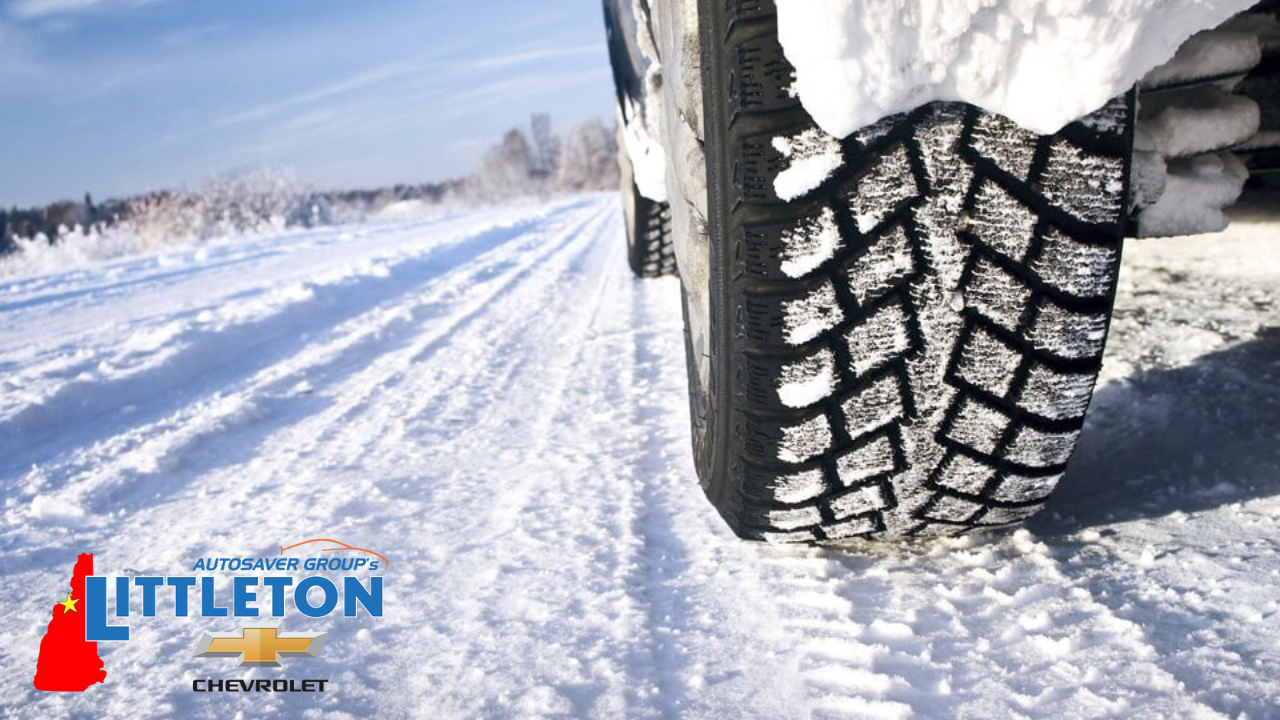
Your Vehicle Needs Boots, Not Sneakers: Why Winter Tires are a Must-Have
As the leaves fall and the air turns crisp, many drivers start thinking about swapping out their summer or all-season tires. But is it really necessary? The simple answer is a resounding yes. Winter tires (often called snow tires) are arguably the most critical safety feature you can add to your vehicle when the temperature consistently drops.
It’s a common misconception that all-wheel drive (AWD) is enough to handle winter driving. While AWD helps you accelerate in snow, it does nothing to help you steer or stop. That’s where the specialized engineering of a dedicated winter tire comes into play.
Why Your Regular Tires Fail in the Cold
Your all-season or summer tires are designed with a rubber compound that begins to stiffen and lose elasticity when the temperature consistently falls below 45 degrees Fahrenheit (7∘ Celsius). When the rubber hardens, it loses its ability to grip the road, which drastically increases your stopping distance and reduces your control—even on dry pavement.
The Science Behind Winter Tire Superiority
Winter tires are purpose-built to conquer cold weather, snow, ice, and slush. They outperform all-season tires in three key areas:
1. Specialized Rubber Compound
The most crucial difference is the rubber. Winter tires use a unique compound, often containing a higher percentage of natural rubber and silica, that is engineered to remain soft and pliable well below freezing temperatures. This flexibility ensures the tire maintains optimal contact and grip on the road surface, which is essential for safe driving.
2. Aggressive Tread Design
Take a look at a winter tire and you’ll notice a dramatically different pattern.
- Deeper Tread Depth: This helps channel snow, slush, and water away from the tire’s contact patch, preventing buildup and maximizing grip.
- Wider Grooves: Designed to “bite” into the snow and provide a sturdy platform for traction.
- High-Density Siping: These are the thousands of tiny, razor-thin slits cut into the tread blocks. Sipes act as extra biting edges, gripping and interlocking with snow and ice on the road. Some advanced designs use 3D sipes that open up to grab snow and ice before closing to provide stability.
3. Shorter Braking Distances
This is the safety factor that could save you from an accident. On snow or ice, the difference in stopping power is staggering. A vehicle equipped with winter tires can stop significantly shorter than the exact same vehicle on all-season tires. That few extra feet of stopping distance is the difference between an emergency stop and a fender-bender.
Winter Tires vs. All-Season Tires vs. All-Weather Tires: What’s the Difference?
| Tire Type | Best For | Rubber Compound | Tread/Sipes | Key Takeaway |
| All-Season | Mild weather, year-round use in moderate climates (>45∘F) | Designed for a long tread life; hardens in cold temperatures. | Moderate tread depth and minimal sipes for light snow. | A compromise tire that sacrifices extreme performance for versatility. Not ideal for heavy snow or ice. |
| Winter (Snow) | Cold weather, snow, ice, and slush (Consistently <45∘F) | Stays soft and flexible in extreme cold for maximum grip. | Deep, aggressive grooves and high-density sipes (3PMSF symbol). | Essential for regions with harsh, snowy winters. Provides superior traction, braking, and control. |
| All-Weather | Year-round use in areas with mild to moderate winters. | Better cold-weather performance than All-Season, but not as soft as Winter tires. | More aggressive tread and siping than All-Season; often carry the 3PMSF symbol. | A good one-tire solution for drivers in light-snow regions who don’t want to swap tires twice a year. |
Export to Sheets
The Three-Peak Mountain Snowflake (3PMSF) Symbol: This symbol, found on the sidewall of a tire, certifies that the tire has met specific performance requirements in snow testing. Dedicated winter tires and most all-weather tires carry this symbol, while standard all-season tires do not.
The Verdict: Your Safety is Worth the Investment
While the upfront cost of buying a second set of tires might seem high, consider it an investment in your safety. Not only do winter tires protect you, but they also significantly reduce the wear on your primary set of tires, effectively extending their life.
If you live in a region where temperatures consistently drop below 45∘F (7∘C), and you regularly encounter snow or ice, equipping your vehicle with a dedicated set of winter tires is the smartest decision you can make for safe winter travel. Drive with confidence this season—put the right tires on your vehicle. Interested in having our Littleton Chevrolet Service Team price out some new tires for you? Give them a call at 603.444.1999 or www.littletonchevrolet.com
Connect with us


- July 2026
- June 2026
- May 2026
- March 2026
- February 2026
- January 2026
- November 2025
- October 2025
- September 2025
- August 2025
- July 2025
- June 2025
- May 2025
- April 2025
- January 2025
- December 2024
- November 2024
- October 2024
- September 2024
- August 2024
- May 2024
- April 2024
- February 2024
- January 2024
- November 2023
- October 2023
- September 2023
- August 2023
- July 2023
- February 2023
- January 2023
- November 2022
- April 2022
- February 2022