





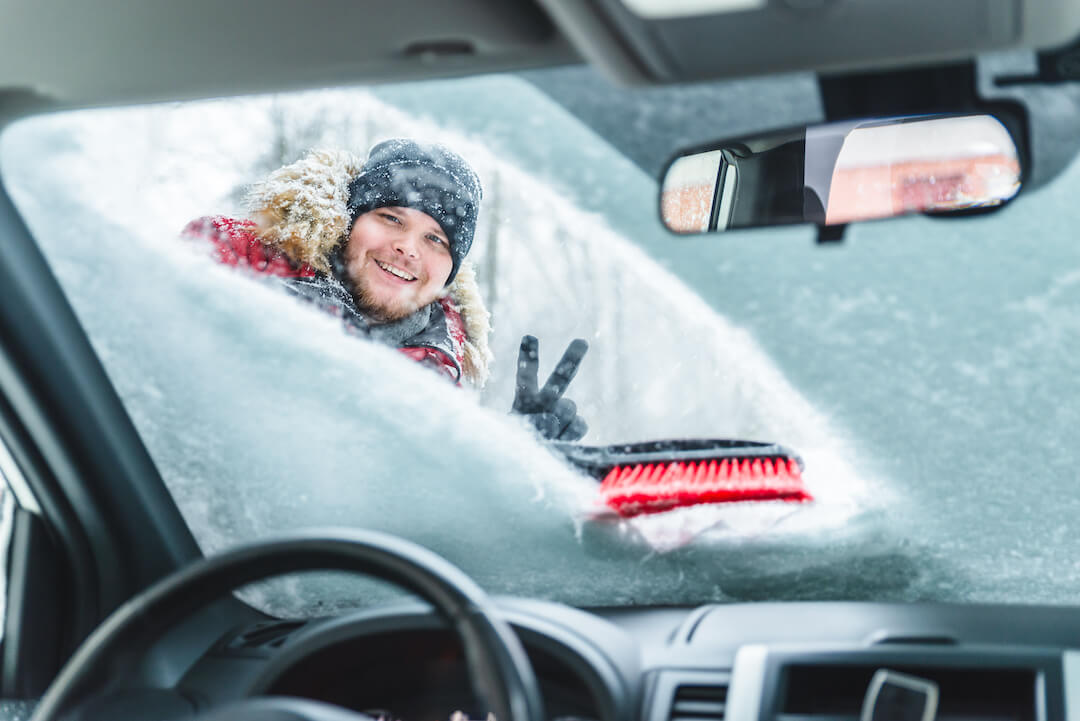
Winter storms are more than just a reason to stock up on bread and milk; they are a direct challenge to your vehicle’s health. From road salt eating away at your paint to freezing temperatures zapping your battery, the elements are not kind to cars.
Whether you’re parking on the street or preparing for a snowy commute, here is your definitive guide to protecting your vehicle this winter.
1. Pre-Storm Maintenance: The Best Defense
The best way to survive a storm is to prepare before the first snowflake falls.
- Test Your Battery: Cold weather can reduce a battery’s cranking power by up to 50%. If your battery is more than three years old, have it tested.
- Switch to Winter-Grade Fluids: Use windshield washer fluid rated for -30°C or lower. Also, ensure your coolant (antifreeze) is at the proper concentration—usually a 50/50 mix—to prevent your engine block from freezing.
- Check Tire Pressure: For every 10° drop in temperature, tires can lose about 1 PSI of pressure. Under-inflated tires reduce traction and increase wear.
2. Smart Parking Strategies
Where you park can be the difference between a quick departure and an hour of shoveling.
- Avoid the “Plow Zone”: If you park on the street, try to find a spot away from main snowplow routes to avoid your car being buried under a mountain of heavy, packed snow.
- The Wiper Trick: Pull your windshield wipers up and away from the glass. This prevents the rubber from freezing to the windshield and makes it easier to clear ice later.
- Mind the Trees: Heavy snow and ice can snap branches. Avoid parking under large trees or power lines that could fall and cause significant body damage.
3. Protecting the Exterior from “The Silent Killer”
Road salt is great for safety but terrible for metal. It accelerates rust and can ruin your vehicle’s finish.
- Wax Before the Storm: Apply a high-quality wax or sealant before winter hits. This creates a sacrificial barrier between the salt and your paint.
- The Undercarriage Wash: Once the storm passes and roads dry, visit a car wash that offers an undercarriage spray. This removes salt from the most vulnerable metal components under your car.
4. Your Winter Survival Kit
Every vehicle should have a “Go-Bag” for winter emergencies. At a minimum, yours should include:
- Traction Aids: A bag of sand or non-clumping kitty litter.
- Visibility Tools: A sturdy ice scraper, snow brush, and a flashlight with extra batteries.
- Survival Gear: Heavy blankets, extra gloves, and a portable phone charger.
- The Fuel Rule: Never let your gas tank drop below half. This prevents moisture from freezing in the fuel lines and ensures you have enough fuel to run the heater if you get stuck.
What if you get stuck?
If the worst happens and you find yourself stranded, stay with your vehicle. It is your best shelter and makes you easier for rescuers to find. If you run the engine for heat, ensure the exhaust pipe is clear of snow to prevent carbon monoxide buildup inside the cabin. Hope this got you mind thinking. Stay safe out there everyone. Thank you for reading our Littleton Chevrolet Blog. www.littletonchevrolet.com
Connect with us


- July 2026
- June 2026
- May 2026
- March 2026
- February 2026
- January 2026
- November 2025
- October 2025
- September 2025
- August 2025
- July 2025
- June 2025
- May 2025
- April 2025
- January 2025
- December 2024
- November 2024
- October 2024
- September 2024
- August 2024
- May 2024
- April 2024
- February 2024
- January 2024
- November 2023
- October 2023
- September 2023
- August 2023
- July 2023
- February 2023
- January 2023
- November 2022
- April 2022
- February 2022